The integrity of the skin of the feet and ankles is the first line of defence against systemic infection or local structural compromise. Dermatological conditions of the feet such as skin breaks, ulcers, and slow-healing lacerations require close attention in the field of podiatric medicine to prevent long-term complications (e.g., necrosis or need for surgical intervention). For residents wanting professional assistance, a dedicated Foot Wound Care Wareham Podiatrist will have access to the latest wound-healing technologies and protocols based on clinical evidence designed to accelerate the natural biological repair process. Comprehension of the events that are necessary for healing, those barrier to recovery, and modern dressing application technical needs represents an essential aspect of healthcare practice.

Abstract: Wound healing is a biological process consisting of four stages; namely, haemostasis, inflammation, proliferation and remodelling. If this sequence is interrupted, a wound becomes "chronic" which means that medical assistance is needed to trigger the cellular cycle of repair again. Often, in these circumstances circulation problems or pressure imbalances are the reason why oxygen and nutrients cannot get to the site of injury. Trial of tools considered as clinical assessment that examine vascular flow and disease status confirmed physiological status in delineating the basis for delayed wound healing, additional to examination of the surface wound. This broader perspective is the only way to prevent a healed wound from returning when someone resumes normal physical activity.
Debridement is without question the most important technical step in a clinical setting to enhance healing. This process removes dead, damaged or infected tissue from the wound bed. As a result of this debris clearing the specialist provides a clean space that allows for healthy new granulating tissue to proliferate. Traditionally antibiotic-resistant, chronic wounds often go on to form a protective layer called a "biofilm. This film can be disrupted by mechanical debridement, which allows the topical treatment and host immune cells to access the wound. Lack of this intervention can cause a wound to remain in a chronic inflammatory state for months, which presents a serious risk of secondary bone infection such as osteomyelitis.
Minor foot injuries take on a new level of danger for people with metabolic disorders such as diabetes. Thus, large and high blood sugar (8) levels chronically destroys the microvasculature promoting ischemia (9,10), that is when blood supply is not enough to maintain the tissue alive by supplying oxygen, nutrients etc. Moreover, peripheral neuropathy may hide the pain of an active ulcer until it reaches a critical worse state to be found. Keeping a close eye on high-risk patients is an important preventative measure to take with the help of a Foot Wound Care Wareham Podiatrist. Clinical management often incorporates "off-loading" through the utilization of therapeutic footwear or total contact casts to redistribute weight from the wound site. And instead of walking on it, which would cause much more stress, we had to take off the tugging mechanical stress that repetitive movement puts in tissue and then finally the tissue gets a chance to close.
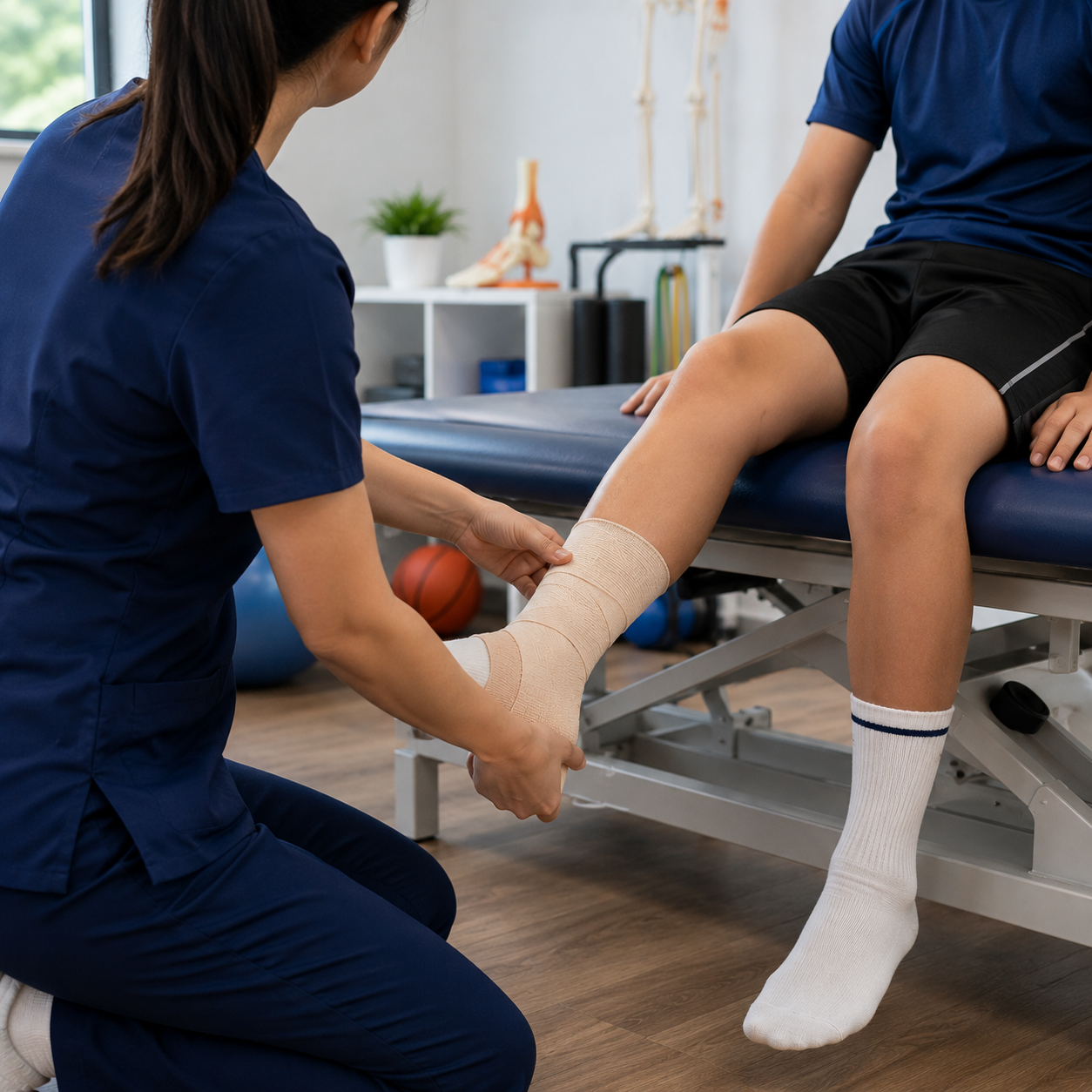
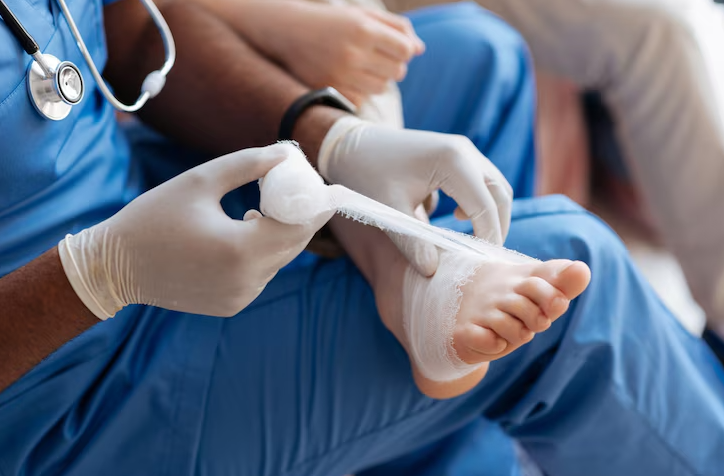
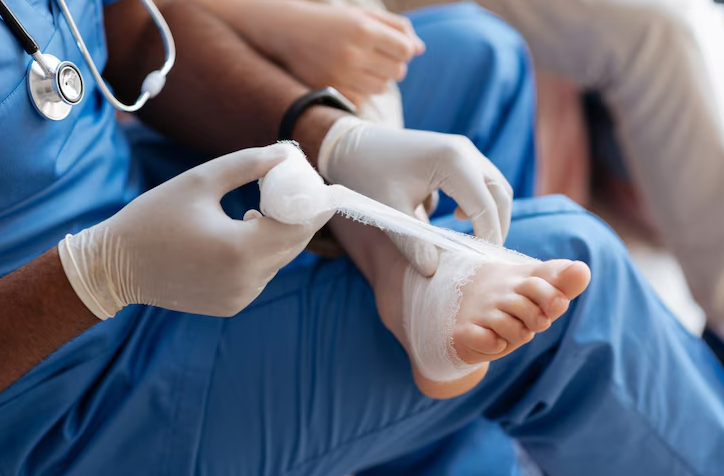
Wound dressings are no longer just time-consuming adhesive bandages. The current practice of podiatry includes "moist wound healing" principles that contend that cells move more effectively across a moist surface than a dry, scabbed one. Some advanced dressings are hydrogels, which donate moisture for dry wounds or alginates (derived from seaweed), designed to absorb excess fluid from highly exudative wounds while maintaining a moist environment. Examples of this sort of clinical use include biological skin substitutes or silver-impregnated dressings that can be sustained with anti-microbial activity. Choosing the right dressing comes down to science, depending on how deep they are, how much they drain and whether or not they have an infection.
The third key pillar of a successful recovery plan is education on care and hygiene at home. Patients are instructed on performing with sterile dressing changes and timely detection of early signs of infection, such as increased warmth, ominous spreading redness or bad smells. When considering hygiene protocols, they aim to keep the surrounding skin intact and optimally moist, as this seems to stave new cracks. In addition, nutritional support is important for the synthesis of new tissue; if there is not enough protein Vitamin C and Zinc in the diet enables to body to make the collagen which will help bridge a wound. To optimize the systemic health of a patient for recovery, an ancillary clinical staff commonly interacts regularly with other providers involved in their medical care.
For the most difficult cases, advanced therapeutic modalities including hyperbaric oxygen therapy or negative pressure wound therapy (NPWT) are employed. In NPWT intervention, a continuous vacuum dressing is applied to the wound surface and removes excess fluid, while simultaneously promoting blood flow. This negative pressure also helps to approximate the edges of the defect, providing a physical mechanism for gradual reduction in size of the wound. These high-tech options are indicative of how far we have come in sophisticated podiatry practices, specifically bringing the "non-healing" wound or ulcer to a place where real healing can occur.
Taken together, treating wounds in the lower extremity is a complex discipline that combines surgical technique, biological science and advanced technology. We hope this article helps patients reduce that risk with early intervention and seeking help from specialists. The first stage toward restoring full mobility and staying right for life is learning how tissue repair works and the value of a clean, preserved wound environment.
Conclusion
Time, technique and expert touch are what you need on the path to a healthy foot or ankle wound. Working with a Foot Wound Care Wareham Podiatrist guarantees that everything from your debridement to final remodelling follows the scientific process and keeps your body in its best condition. The appropriate balance of clinical treatments together with expert off-loading techniques and high-level dressing selections can lead to closure, even in the most recalcitrant chronic wound. After all, by taking a proactive approach to managing wounds, you protect the patient's overall quality of life while preserving the underlying pillar processing mobility (and from being broken or worn down from another injury).

Write a comment ...