
This might result in structural modifications made to the smaller toes of your foot, causing you continual pain ensuring that you cannot walk well or wear your favorite shoes comfortably. A toe that becomes permanently flexed downwards at the middle joint creates an apex that is raised and rubs constantly against the top of your shoes. The number one best way to look into permanent corrective options for your mobility before it becomes too limited or has gotten painful is through early diagnostic. The availability of customized biomechanical evaluations and advanced structural realignment plans from an experienced specialist for Hammertoe Treatment in Brockton MA. This series of medical measures are based to eliminate continual localized tension, brings back joint aligning and retains your everlasting physical freedom.
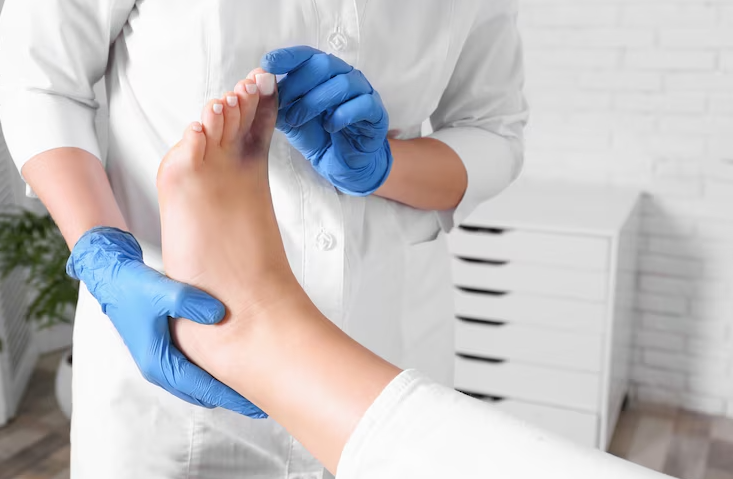
This particular digital mismatch stems from an inherited structural fault line in the basis of foot mechanics. But when the long tendons that pull up the toes squeeze too hard, those smaller stabilizing muscles are overpowered, and the middle joint buckles under pressure permanently. A structural change of this nature can be the result of spending long periods standing up on hard surfaces, combined with being squeezed into high solid toed footwear. The repetitive grinding on footwear causes dysfunction and over several years, the skin surrounding contacts intensely to thicken, resulting in discomforting corns, deep calluses or even chronic inflammation of tissues. Understanding that this is a progressive structural bone issue rather than simple cosmetic deformity explains why specialized clinical work up must be done.
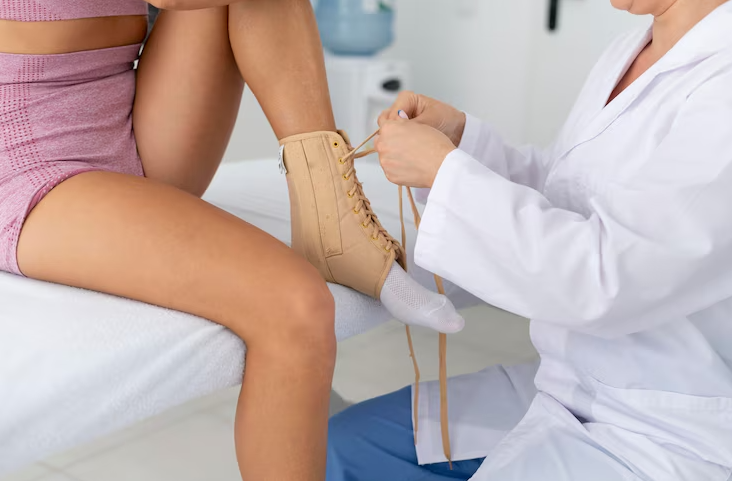
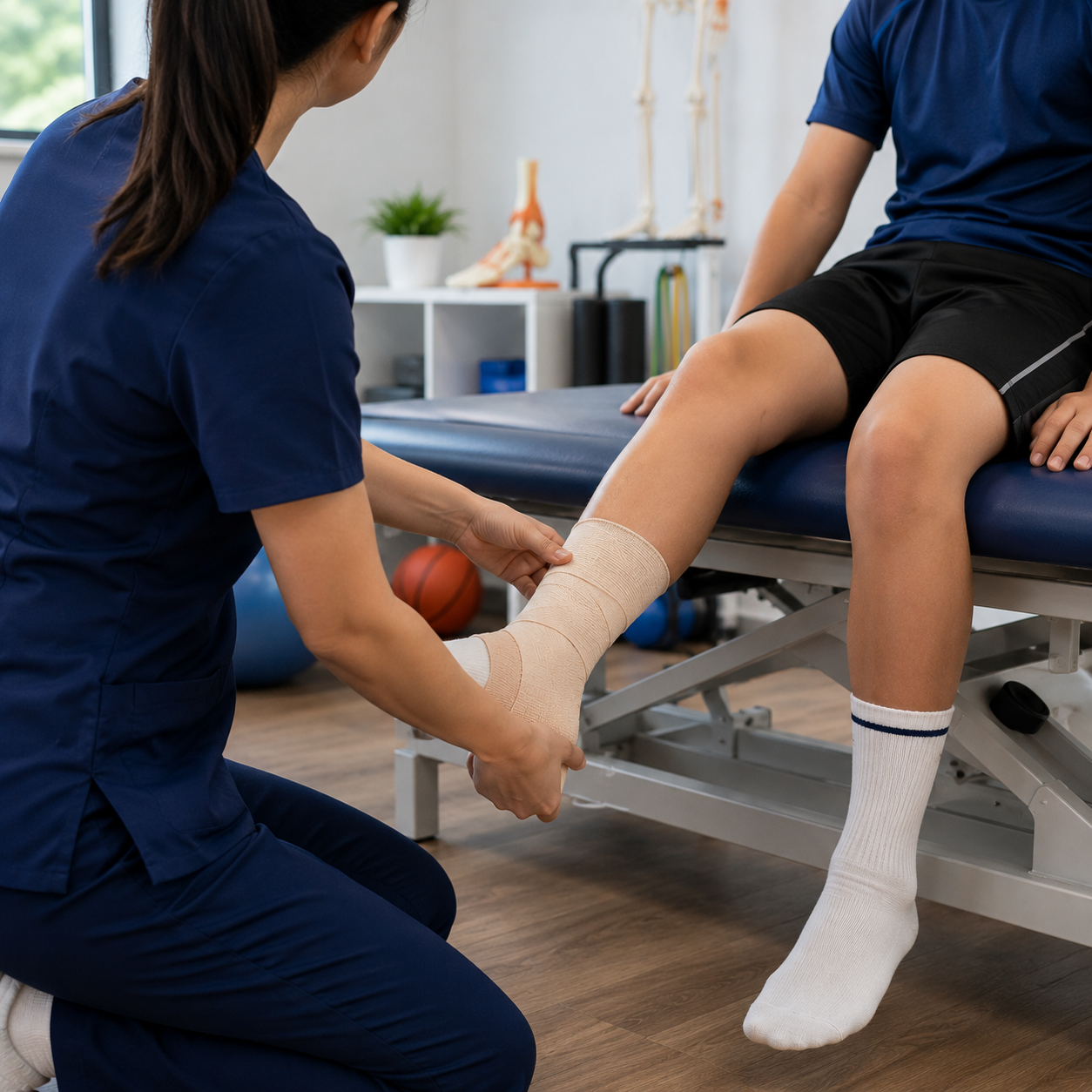
This is why it is imperative to seek treatment such as Hammertoe Treatment in Brockton MA with specialists who can intervene conservatively and manage the condition before the toe joint stiffens completely. The improperly aligned digit is still pliable, and it can be straightened with specific therapeutic methods in the early stages of development. When patients have a diagnosis, clinicians often prescribe custom-molded orthotic inserts meant to improve sub-talar joint stabilization, ensure optimal weight redistribution and offload the forefoot structure. Specialized digital splints, protective gel pads or kinesiology taping techniques can also be used to rest the toe aligned comfortably while walking almost daily. This aggressive supervision in the clinical line centers around getting patients to complete recuperation without at any point relying on an intrusive medical procedure straightforwardly.
Physical therapy exercises are also essential for maintaining joint range of motion and for the strengthening of dynamic supportive intrinsic muscles which need time to develop in order to properly support collapsing digital joints. Activities involving basic movement, like gripping marbles off the floor with your toes or pulling together a towel on the ground, return muscle balance. It also helps to regularly stretch tight extensor tendons, so that the joint does not lock into a permanently bent position and your stride is able to maintain an essential range of motion. These focused physical exercises complemented with the right choice of footwear in our daily lives make up a strong defense against rapid building wear and tear. This level of involvement in your daily rehab program enables you to control the long-term state of your comfort and ambulation with confidence.
In a shoe, people need to avoid anything that causes friction and should look for a deep wide toe box that will give space to the higher joint. Choosing footwear made from soft, pliable materials such as high-grade leather or elastic textile mesh can help prevent epidermal breakdown and painful ulcerations. Steer clear of all high-heeled shoes: These drive the body weight forward onto the ball of the foot, instantly triggering tightness and extension of tendons. Verify the inside seams of your shoe by looking for any rough edges which could cause a persistent abrasion to sensitive, inflamed skin layers. Matching your shoes to the distinctive anatomy of your foot reduces unnatural stress and strain on structures throughout the lower extremities during daily activities.
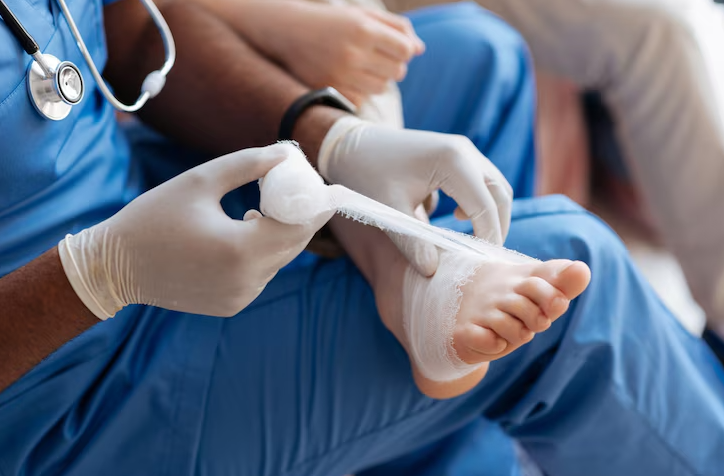
When the joint is essentially stuck or stiff, or when conservative treatments are ineffective in managing pain, it may be time to look into options more advanced by means of a specialist. Contemporary strategies are contemporary corrective limbs — the reason is not so much to straighten the tendons which supports is removed a little bit of bone, in the right spot or those chains aligned your holdup ranges: an intervention that stably joints. The premium Hammertoe Treatment in Brockton MA means you get an individualized surgical plan that is based around your structural anatomy and needs according to the lifestyle. Usually, you will be equipped with a specific walking boot while your toe structure is healing. The best way to not hurt your joints in the long run is by seeking professional advice immediately instead of just self-medicating.
Neglected digital deformity can be associated with serious sequelae such as chronic nerve irritation and imbalance or even dermal ulceration in the forefoot. The skin barrier protects against opportunistic bacterial infections, but the repeated friction from footwear blisters this bursa, leaving it open to infection. In certain high-risk populations, particularly those with poor peripheral perfusion or systemic metabolic derangement, this risk may be substantial and thorough clinical assessment is critical. Solving the problem before it worsens also maintains the stability of your surrounding skeletal tissue and makes sure that your total gait is unchanged and completely free from pain. Taking action prevents a small joint imbalance into becoming an immovable physical restriction which changes the way you have to live;
Providing thorough education for the patient is one aspect of long-term joint health that will continue to be central, keeping folks on the move with their hard-fought gain for many years into the future. Great effort is expended by clinical teams to train patients in good body mechanics, weight management techniques and specific, home-stretch regimens to keep the joints mobile. Knowledge of how environmental factors and systemic health conditions impact lower extremity biomechanics arms a user with the capacity to make very informed choices about their daily activities. Through ongoing follow-up requiring specialists to monitor your long-term alignment, modify orthotic configurations and equipment recommendations-you can ensure your footwear remains appropriate for proper support. This team-based model helps create the perfect recipe for lifelong musculoskeletal health, while keeping you utterly comfortable.
Conclusion
Bringing back the right balance as well as removing persistent pain caused by the digital imbalance requires early intervention paired with proper footwear along with specialized treatment. By knowing what happens to cause tendon tightening and/or joint buckling, a person can do something preventative rather than waiting until the deformity is fixed and rigid. With the addition of custom orthotics, strengthening exercises and padding; you can stop this progress inside foot structure, and relieve daily load of pressure on those structures in the forefoot. If conservative treatment fails or becomes ineffective and traditional surgical techniques are unable to correct pain from structural decompression at a specific level, new arthrodesis-like surgical techniques provide a safe, reproducible course toward permanent relief via surgery. Specialized clinical partners put whole long-term mobility in the secure, independent, and fully protected.


Write a comment ...